
No products in the cart.
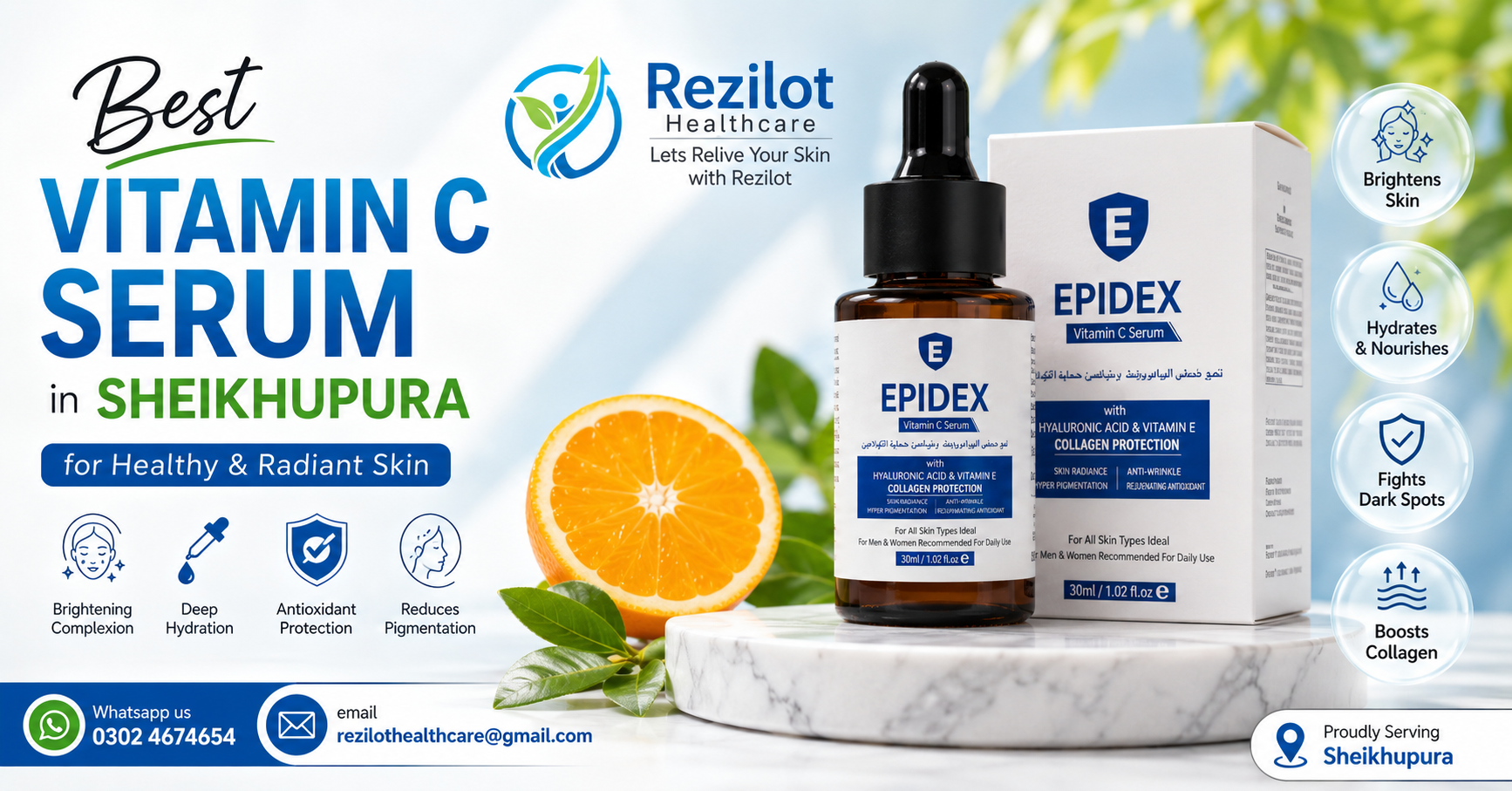
Best Vitamin C Serum in Sheikhupura for Healthy & Radiant Skin
Best Vitamin C Serum in Sheikhupura for Healthy & Radiant Skin
If your skin looks dull, tired, uneven, or marked by old acne spots, adding a vitamin C serum to your skincare routine can be a simple step toward a brighter-looking complexion. For people searching for the best vitamin C serum in Sheikhupura, however, choosing the right bottle can feel surprisingly confusing. Shelves and online stores are filled with products claiming to brighten skin, reduce dark spots, improve texture, and give you a natural glow. The problem is that not every serum is formulated equally, and the most expensive option is not automatically the best one.
Sheikhupura’s climate and everyday environmental exposure can also influence how your skin behaves. Heat, sunlight, dust, humidity, and frequent outdoor activity can leave skin looking stressed and uneven. Vitamin C is particularly interesting because it is an antioxidant that helps protect skin from oxidative stress while supporting normal collagen production. It can complement a sensible routine that includes a gentle cleanser, moisturizer, and broad-spectrum sunscreen.
The right product depends on your skin type, vitamin C formulation, concentration, packaging, supporting ingredients, and tolerance. Someone with oily, acne-prone skin may prefer a lightweight serum, while someone with dry or sensitive skin may need a gentler formula with hydrating ingredients. The goal isn’t simply to find the strongest serum. It is to find one that your skin can tolerate consistently.
This guide explains what to look for when buying vitamin C serum in Sheikhupura, how to use it, what ingredients pair well with it, which mistakes to avoid, and how to build a practical routine for healthier and more radiant-looking skin.
Why Vitamin C Serum Is Popular in Sheikhupura
Vitamin C has become a staple ingredient in modern skincare because it addresses several concerns at once. Unlike a product designed for only cleansing or moisturizing, a well-formulated vitamin C serum can fit into a routine aimed at improving the appearance of dullness, uneven tone, pigmentation, and early signs of photoaging. That versatility makes it attractive to people who want a relatively simple skincare routine without using a large number of products.
For people living in Sheikhupura, daily sun exposure is an important consideration. Even when you are not intentionally sunbathing, sunlight reaches your skin while commuting, shopping, working outdoors, walking, or sitting near windows. Environmental stressors can contribute to oxidative stress and visible skin changes over time. Vitamin C is an antioxidant, so topical formulations are commonly used as part of a broader strategy for maintaining healthier-looking skin.
Still, vitamin C should not be viewed as a magic eraser. It cannot instantly remove pigmentation or completely reverse sun damage. Skincare works more like maintaining a garden than flipping a switch: consistent care, suitable products, and protection from damaging environmental factors generally matter more than using an extremely powerful product once in a while.
How Vitamin C Supports Brighter-Looking Skin
Vitamin C, particularly L-ascorbic acid, is an antioxidant with well-established relevance to skin health. Topical vitamin C can help neutralize free radicals generated by environmental stressors and supports processes involved in collagen formation. It is also widely used in skincare products designed to improve the appearance of uneven pigmentation and promote a brighter, more even-looking complexion.
One reason vitamin C is so popular is that it works beneath the surface of what you see in the mirror. Skin can appear rough or dull for many reasons, including dehydration, accumulated dead skin cells, excessive sun exposure, and post-inflammatory pigmentation. A suitable vitamin C product can become one part of a routine that addresses some of these concerns gradually.
The key word is gradually. A serum isn’t a photo filter in a bottle. If a product is appropriate for your skin, consistent use over time is generally more realistic than expecting dramatic changes within a few days. If you experience burning, persistent redness, swelling, or significant irritation, continuing to apply more product is not the answer. Your skin may need a simpler routine or professional assessment.
Benefits of Vitamin C Serum for Facial Skin
A good vitamin C serum can provide several potential benefits when formulated correctly and used consistently. One of its biggest attractions is its antioxidant function. Free radicals can be generated by factors such as ultraviolet radiation and environmental pollution, and antioxidants can help counter oxidative stress.
Vitamin C is also associated with collagen synthesis, which is important because collagen contributes to the skin’s structural support. As people age, natural collagen production changes, and environmental exposure can contribute to visible lines and loss of firmness. Vitamin C does not stop aging, but it can be a useful supporting ingredient in an evidence-informed skincare routine.
Another reason people look for the best vitamin C serum is pigmentation. Vitamin C can help influence melanin-related pathways, making it useful in routines targeting the appearance of dark spots and uneven skin tone. However, pigmentation has many possible causes. Acne marks, hormonal pigmentation, excessive sun exposure, irritation, and certain medical conditions can all produce discoloration. Persistent or unusual pigmentation deserves professional evaluation rather than endless experimentation with cosmetic products.
Vitamin C and Dark Spots
Dark spots are one of the most common reasons consumers search for vitamin C serum in Sheikhupura. These spots may appear after pimples heal, following inflammation, or because of cumulative sun exposure. Vitamin C is often included in brightening routines because of its antioxidant properties and its influence on pathways involved in pigment production.
However, reducing the appearance of pigmentation is a process. Applying vitamin C in the morning while skipping sunscreen can undermine your routine because UV exposure continues to stimulate pigmentation and skin damage. Think of it as trying to empty a bucket while leaving the tap running. Your serum may be doing useful work, but ongoing sun exposure can continue contributing to the very concern you’re trying to improve.
For stubborn dark spots, vitamin C may also be combined with other ingredients under appropriate guidance. Niacinamide, for example, is commonly used in brightening and barrier-supporting routines. Other pigment-targeting ingredients exist as well, but combining too many active products at once can irritate the skin. A simple, sustainable routine is usually easier to maintain.
Vitamin C for Dull and Uneven Skin
Dull-looking skin can have multiple causes, from dehydration and environmental exposure to an inconsistent skincare routine. Vitamin C is often chosen because it can support a more radiant and even-looking complexion over time. Its antioxidant properties make it especially relevant for people who spend considerable time in urban or outdoor environments.
Radiance doesn’t mean making your natural skin color lighter. Healthy-looking skin can have many different tones. A better goal is to improve the appearance of uneven tone, dullness, and discoloration while protecting the skin barrier.
If your skin is dry, combining vitamin C with a moisturizer can make the routine more comfortable. If your skin is oily, a lightweight serum followed by a non-comedogenic moisturizer may be preferable. There is no universal “glow formula” because skincare has to match the person wearing it.
How to Choose the Best Vitamin C Serum in Sheikhupura
When shopping for the best vitamin C serum in Sheikhupura, start by looking beyond marketing claims. Check the ingredient list, packaging, concentration, expiry information, and seller reputation. A product that promises instant fairness, permanent whitening, or unrealistic results deserves extra caution.
Vitamin C comes in different forms. L-ascorbic acid is a well-known active form, but it can be less stable and potentially more irritating than some vitamin C derivatives. Derivatives such as sodium ascorbyl phosphate, magnesium ascorbyl phosphate, and ascorbyl glucoside are also used in skincare. Their properties differ, so the ingredient name alone doesn’t tell you whether a product will suit your skin.
Packaging matters because some vitamin C formulations are sensitive to light and air. Opaque, airtight, or dark packaging can help protect the formula. A transparent bottle sitting in strong sunlight is less appealing from a stability perspective.
Check the Vitamin C Concentration
More vitamin C isn’t necessarily better. Stronger formulas can increase the possibility of irritation, particularly for beginners or people with sensitive skin. Many commercial products fall within a range of concentrations, and the ideal choice depends on the vitamin C form, the rest of the formulation, and your skin’s tolerance.
If you are new to vitamin C, a moderate formulation may be a more sensible starting point than immediately choosing the strongest available serum. Your objective is consistent use without unnecessary irritation.
Also check whether the product clearly identifies its vitamin C form and concentration. A vague label that simply says “contains vitamin C” gives you less information for making an informed decision. A transparent ingredient list is generally a better sign.
Look for Skin-Friendly Supporting Ingredients
The best vitamin C serum isn’t defined only by vitamin C. Supporting ingredients can influence how comfortable and effective a product feels. For example, hyaluronic acid, glycerin, panthenol, ceramides, and niacinamide may be included in different formulations for hydration or barrier support.
If you have dry skin, a vitamin C serum with humectants may feel more comfortable. If you have sensitive skin, fewer potentially irritating ingredients may be preferable. Fragrance is another consideration for people who react easily to fragranced skincare.
Don’t choose a product simply because its ingredient list is long. A carefully formulated product with a focused ingredient profile may be more useful than a bottle containing a crowded collection of trendy actives.
Best Vitamin C Serum for Different Skin Types
There is no single serum that deserves to be called the best for every person. The best vitamin C serum for oily skin may feel completely wrong on dry skin, while a rich formulation intended for dry skin may feel heavy on someone with very oily skin.
Your skin type should therefore influence your purchase. Oily skin often benefits from lightweight textures that absorb easily without leaving a greasy film. Dry skin may appreciate a hydrating formula combined with a good moisturizer. Sensitive skin requires a more cautious approach, especially when introducing an active ingredient.
It is also possible to have combination skin. Your forehead and nose may be oily while your cheeks feel dry. In that situation, choosing a balanced formulation and adjusting moisturizer by area may be more useful than searching for a product labeled exclusively for one skin type.
Vitamin C Serum for Oily and Acne-Prone Skin
If you have oily or acne-prone skin, look for a lightweight, non-comedogenic skincare formula where possible. Vitamin C itself isn’t an acne treatment in the same way as proven acne-focused ingredients, so don’t expect it to replace appropriate acne care.
People with acne-prone skin should also pay attention to irritation. Overusing vitamin C alongside exfoliating acids, retinoids, benzoyl peroxide, or other active products can leave the skin irritated. Once the skin barrier becomes compromised, redness and sensitivity can become more noticeable.
A straightforward morning routine may be easier to tolerate: gentle cleanser, vitamin C serum, moisturizer if needed, and sunscreen. Additional treatments can be introduced separately rather than throwing every active ingredient onto your face on the same day.
Vitamin C Serum for Dry and Sensitive Skin
Dry and sensitive skin needs a different strategy. Instead of chasing the highest concentration, prioritize comfort, hydration, and barrier support. A gentler vitamin C derivative may be worth considering if pure L-ascorbic acid causes excessive stinging.
Patch testing can also help. Apply a small amount to a limited area according to the product’s instructions and observe how your skin responds before applying it broadly. A mild initial sensation isn’t the same as significant burning or persistent irritation.
For dry skin, follow the serum with a moisturizer. If your skin is extremely sensitive, reactive, or affected by eczema or another condition, consider discussing active skincare ingredients with a dermatologist before starting a new routine.
How to Use Vitamin C Serum Correctly
Using an excellent serum incorrectly can reduce its usefulness. Begin with clean, dry or appropriately prepared skin, depending on the product instructions. Apply a small amount rather than covering your face in a thick layer. More product doesn’t automatically produce better results.
After applying vitamin C, give it a moment to settle and then use moisturizer if your skin needs it. In the morning, broad-spectrum sunscreen should be the final major skincare step before makeup.
Consistency matters. If your skin tolerates the product, regular use is generally more sensible than applying a large amount occasionally. If you’re new to active skincare, starting less frequently and increasing gradually can help you assess tolerance.
Best Time to Apply Vitamin C Serum
Vitamin C serum is commonly used in a morning skincare routine because its antioxidant properties can complement daily environmental protection. It can also be used at another time depending on the formulation and your overall routine.
A practical morning sequence is cleanser, vitamin C serum, moisturizer, and sunscreen. If another active ingredient causes irritation when layered with vitamin C, separating them into different routines may make more sense.
The most important point is not obsessing over a specific clock time. A routine you can consistently follow is more valuable than a complicated schedule that you abandon after a week.
Vitamin C Serum and Sunscreen: Why Both Matter
If you’re investing in a vitamin C serum for radiant skin, don’t overlook sunscreen. Vitamin C and sunscreen serve different roles. Vitamin C provides antioxidant support, while sunscreen helps reduce UV exposure by protecting the skin from ultraviolet radiation.
For anyone concerned about dark spots or uneven pigmentation, this pairing is especially relevant. Sun exposure can worsen pigmentation, so using a brightening serum without adequate sun protection is an incomplete strategy.
Choose a broad-spectrum sunscreen with an SPF appropriate for your needs and apply it generously enough to provide meaningful protection. Reapplication is important during prolonged outdoor exposure, sweating, or other situations where sunscreen wears away.
Think of vitamin C as one player on the team and sunscreen as another. Asking one product to do the entire job is like expecting a goalkeeper to win a football match alone.
Common Mistakes to Avoid When Using Vitamin C
One of the biggest mistakes is assuming that stronger automatically means better. High-concentration vitamin C may be useful for some people, but it can also cause irritation. Starting with a suitable formula and building tolerance is often a smarter approach.
Another common mistake is purchasing a questionable product because the price is unusually low. Counterfeit or poorly stored cosmetics can create unnecessary risks. Buy from reputable pharmacies, established skincare retailers, or trustworthy official online sellers, and inspect packaging carefully.
People also sometimes combine too many actives. Vitamin C, retinol, exfoliating acids, scrubs, acne treatments, and multiple brightening products can create a complicated routine that overwhelms the skin. If your face becomes persistently red, painful, itchy, or unusually sensitive, simplify the routine.
Finally, don’t judge a skincare product after only a few days. Skin changes generally take time, and results vary from person to person.
How to Store Vitamin C Serum
Storage is particularly important for vitamin C products because some forms, especially L-ascorbic acid, can oxidize. Heat, light, air, and moisture can contribute to degradation depending on the formulation.
Keep the bottle tightly closed and store it according to the manufacturer’s instructions. Avoid leaving it on a sunny bathroom windowsill or inside a hot car. A cool, dark place is generally preferable when the product label doesn’t specify another storage method.
Watch the product’s appearance. Some formulations naturally have a slight tint, but a significant change toward dark yellow, orange, or brown can indicate oxidation, depending on the formulation. When in doubt, check the manufacturer’s guidance rather than assuming an unusual color is harmless.
Always check the expiry date and follow any instructions about how long the product remains usable after opening.
Where to Buy Vitamin C Serum in Sheikhupura
When buying vitamin C serum in Sheikhupura, consider reputable local pharmacies, established beauty retailers, dermatology clinics, and verified online sellers. The most important factor is not simply whether a store carries a particular brand. You want confidence that the product is authentic, properly stored, and within its usable date.
If you are buying online, inspect the seller’s reputation and product details rather than choosing purely on price. Look for clear ingredient information, batch or expiry details where applicable, and credible return policies.
Local availability can change, so it is difficult to identify one permanent “best” seller for everyone. Instead, compare the formulation with your skin needs. Someone seeking help with dullness may prioritize a well-formulated antioxidant serum, while someone dealing with persistent pigmentation may benefit more from professional skincare advice.
If pigmentation is severe, rapidly changing, accompanied by other symptoms, or not improving despite a sensible routine, a qualified dermatologist is the better destination than simply purchasing another serum.
Final Thoughts
Finding the best vitamin C serum in Sheikhupura doesn’t have to mean buying the most expensive bottle or the product with the biggest marketing claims. A better approach is to look at the vitamin C form, concentration, supporting ingredients, packaging, authenticity, and compatibility with your skin type.
For many people, vitamin C can be a useful part of a routine focused on brighter-looking, more even, healthier-looking skin. But the serum works best as part of a bigger picture that includes gentle cleansing, adequate moisturization, and daily sun protection.
Start sensibly, introduce active products gradually, and pay attention to how your skin responds. If a serum causes persistent irritation, stop using it and reassess your routine. Healthy skin isn’t about chasing instant fairness or perfection; it is about maintaining the skin barrier, protecting it from environmental damage, and choosing products you can use consistently.
Frequently Asked Questions
1. Which vitamin C serum is best for glowing skin in Sheikhupura?
The best vitamin C serum depends on your skin type and concerns. Look for a reputable, properly packaged formula with a clearly stated vitamin C form and concentration. For beginners, a moderate or gentler formulation may be easier to tolerate than an extremely concentrated serum.
2. Can vitamin C serum remove dark spots?
Vitamin C may help improve the appearance of dark spots and uneven pigmentation over time. Results are gradual, and sunscreen is essential because UV exposure can contribute to pigmentation. Persistent pigmentation should be assessed by a dermatologist.
3. Can I use vitamin C serum every day?
Many people can use vitamin C daily if their skin tolerates it. However, beginners may want to start less frequently and increase usage gradually. Follow the instructions for the particular product and reduce use if irritation develops.
4. Is vitamin C serum suitable for oily skin?
Yes. People with oily skin can use vitamin C serum, particularly lightweight formulations. Look for products that feel comfortable and don’t leave an excessively greasy residue. Vitamin C should not be considered a replacement for dedicated acne treatment.
5. Can people with sensitive skin use vitamin C?
Sensitive skin can sometimes tolerate vitamin C, but the formulation matters. A gentler vitamin C derivative or lower-strength product may be more comfortable. Patch testing and gradual introduction are sensible precautions.
6. Should vitamin C serum be applied before moisturizer?
Generally, serum is applied before moisturizer. A simple routine can be cleanser, vitamin C serum, moisturizer, and sunscreen in the morning. Always follow the specific product’s application instructions if they differ.
7. Can I use vitamin C serum without sunscreen?
You can apply vitamin C without sunscreen, but it isn’t a good complete daytime skincare strategy. Sunscreen protects against UV radiation, while vitamin C provides antioxidant support. Using both can make a more comprehensive morning routine.
8. How long does vitamin C serum take to show results?
Results vary according to the formulation, skin condition, and consistency of use. Improvements in brightness and uneven appearance generally require regular use over time rather than a few days. Don’t expect instant transformation.
9. Can vitamin C make skin fairer?
Vitamin C is better understood as a skincare ingredient that may help improve the appearance of uneven pigmentation and dullness. It should not be marketed as a way to change someone’s natural skin color. The healthier goal is an even, radiant-looking complexion.
10. What percentage of vitamin C is best for beginners?
There isn’t one concentration that works for everyone. A moderate formulation may be a reasonable starting point, particularly for someone new to active skincare. The vitamin C form and complete formulation also matter, not just the percentage printed on the label.
11. Can I use vitamin C serum for acne marks?
Vitamin C may help improve the appearance of post-acne discoloration. However, it doesn’t address every cause of acne and isn’t a substitute for appropriate acne treatment. Avoid irritating your skin with too many active products at once.
12. Can vitamin C serum be used at night?
Yes, depending on the product and your routine. Vitamin C is commonly used in the morning because its antioxidant properties complement daytime environmental protection, but nighttime use can also be appropriate.
13. Can I use niacinamide with vitamin C?
Modern skincare formulations can contain both ingredients, and many people use them together successfully. If your skin is sensitive, introduce products gradually rather than adding several new actives simultaneously.
14. Can vitamin C serum cause irritation?
Yes. Some vitamin C formulations, particularly stronger acidic formulations, can cause stinging, redness, or irritation in sensitive individuals. Persistent burning or inflammation is a reason to stop using the product and reassess your routine.
15. How should vitamin C serum be stored in Sheikhupura’s climate?
Keep it tightly closed and protected from excessive heat, light, and air. Avoid leaving it in direct sunlight or a hot vehicle. Follow the manufacturer’s storage instructions, especially during periods of high temperatures.
16. How can I identify an authentic vitamin C serum?
Buy from reputable pharmacies, established retailers, verified sellers, or official brand channels where available. Check packaging, batch information, expiry details, seals, and ingredient labeling. Extremely suspicious pricing or poor packaging can be warning signs.
17. Is expensive vitamin C serum always better?
No. Price does not automatically indicate superior formulation or better results. A reasonably priced, authentic product with suitable ingredients and packaging may be a better choice than an expensive serum that irritates your skin.
18. Can I use vitamin C with retinol?
Both ingredients can be part of a skincare routine, but using multiple actives can increase irritation for some people. If your skin is sensitive, separating them into different routines may be more comfortable. Introduce one active at a time.
19. What should I do if my vitamin C serum turns dark?
A noticeable color change can indicate oxidation in some formulations. Check the manufacturer’s instructions and product information. If the serum has significantly changed color, smell, or texture, replacing it may be safer than continuing to use an apparently degraded product.
20. Where can I find the best vitamin C serum in Sheikhupura?
You can compare options at reputable local pharmacies, established skincare retailers, dermatology clinics, and trustworthy online sellers serving Sheikhupura. Focus on authenticity, formulation, storage, expiry information, and suitability for your skin rather than choosing solely based on price or popularity.

Leave a Reply