
No products in the cart.
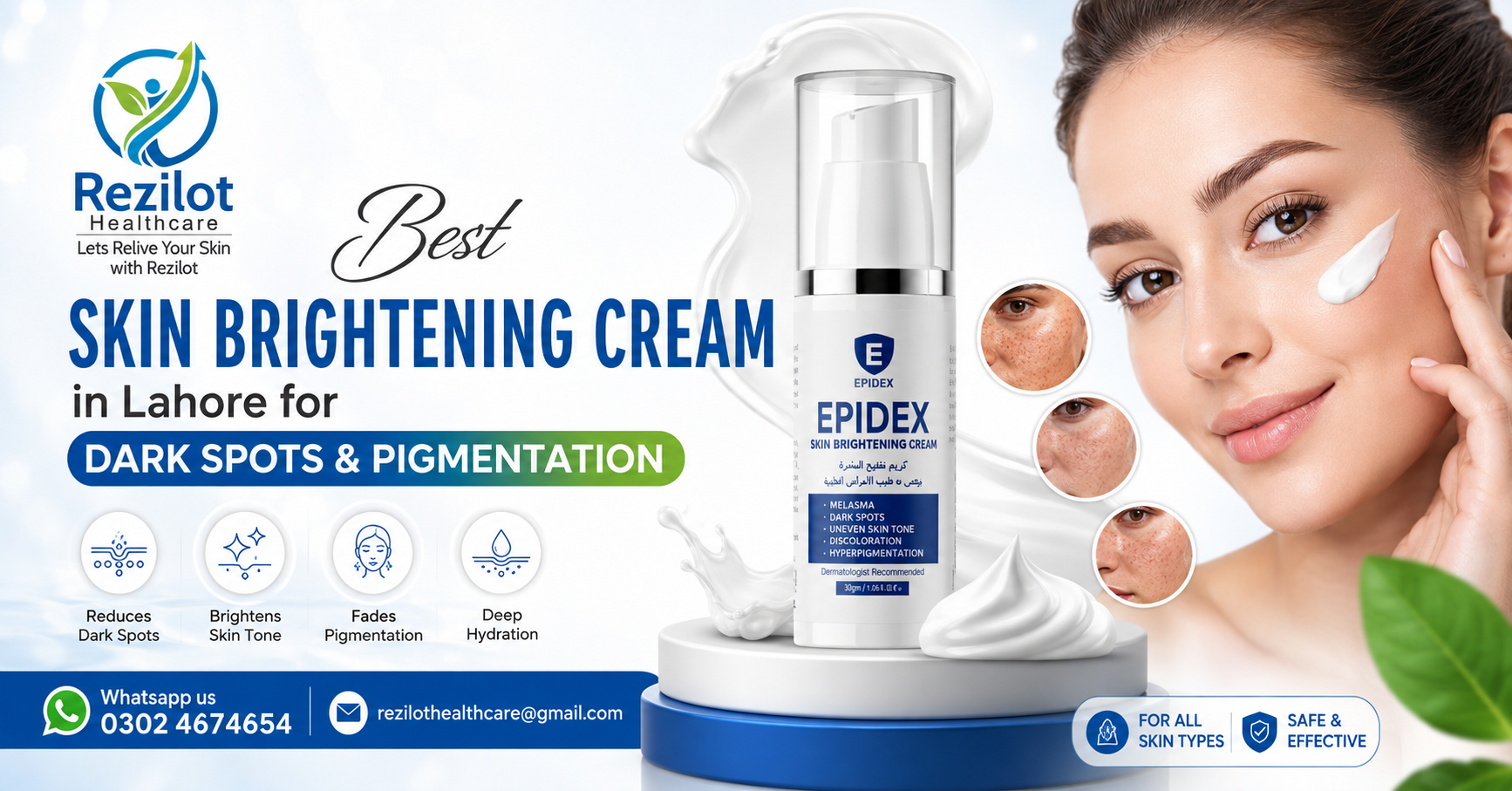
Best Skin Brightening Cream in Lahore for Dark Spots & Pigmentation
Best Skin Brightening Cream in Lahore for Dark Spots & Pigmentation
Finding the best skin brightening cream in Lahore for dark spots and pigmentation can feel surprisingly difficult. Walk into a pharmacy, browse an online store, or search social media and you will quickly find dozens of creams promising brighter, clearer, smoother-looking skin. Some contain well-researched ingredients, while others rely heavily on dramatic before-and-after photographs and vague claims such as “instant whitening” or “fairness in seven days.” The smarter approach is to forget the hype and look at the ingredients, your skin type, the cause of your pigmentation, and whether the product is suitable for regular use. Dark spots do not appear overnight, so realistically, they usually should not be expected to disappear overnight either.
For people living in Lahore, pigmentation can be particularly frustrating because skin is exposed to intense sunlight for much of the year, along with heat, dust, traffic-related pollution, and frequent outdoor activity. Melasma, post-acne marks, sun spots, and post-inflammatory hyperpigmentation can all make the complexion appear uneven. A good brightening product can help gradually reduce the appearance of some types of discoloration, but it works best as part of a complete routine rather than as a miracle cream. Think of pigmentation care like repainting a wall: treating the visible stain matters, but if the source keeps affecting the surface, the stain may return.
The goal should also be even-looking, healthy skin rather than artificially changing your natural skin color. Ingredients such as niacinamide, vitamin C, alpha arbutin, azelaic acid, tranexamic acid, and certain retinoids have become popular because they target different pathways involved in uneven pigmentation. However, stronger does not automatically mean better. Irritating the skin with aggressive products can cause inflammation and potentially make dark marks more noticeable, especially in medium-to-deep skin tones. The best product is therefore the one that addresses your particular concern while allowing you to maintain a consistent routine.
Why Dark Spots and Pigmentation Are Common in Lahore
Pigmentation is essentially the skin responding to various internal and external signals that influence melanin production. Melanin is the natural pigment responsible for skin, hair, and eye color, and it also provides some protection against ultraviolet radiation. When pigment production becomes uneven or concentrated in certain areas, visible patches or spots can develop. A person in Lahore might notice pigmentation after acne, prolonged sun exposure, hormonal changes, irritation from skincare products, or repeated inflammation. These causes can overlap, which is one reason why choosing a cream based only on the word “brightening” may not produce the expected result.
Post-inflammatory hyperpigmentation, commonly called PIH, is especially relevant for people who frequently experience acne. Imagine a pimple finally healing, only to leave behind a brown or grayish mark that remains long after the bump has disappeared. The original acne may be gone, but the pigment can persist because inflammation stimulated melanocytes during the healing process. Picking, squeezing, or repeatedly irritating acne can make this process worse. A brightening cream may help fade the resulting discoloration, but preventing new acne and avoiding unnecessary irritation are equally important.
Melasma is another common concern. It often appears as larger, symmetrical brown or gray-brown patches, particularly on the cheeks, forehead, upper lip, or other sun-exposed areas. Hormonal influences, ultraviolet radiation, and visible light can all play a role. Melasma can be stubborn and frequently requires more than an over-the-counter cream, particularly when it is extensive or repeatedly returns. If pigmentation suddenly changes, becomes unusual, or does not resemble typical acne marks or sun-related discoloration, professional evaluation is sensible rather than simply trying increasingly powerful products.
Sun Exposure, Pollution, and Urban Lifestyle
Lahore’s climate makes sun protection one of the most important parts of pigmentation management. Even when you are not deliberately sunbathing, routine activities such as commuting, walking outdoors, shopping, sitting near windows, or spending time on a rooftop can contribute to cumulative UV exposure. Ultraviolet radiation can stimulate melanin production and can also make existing pigmentation harder to manage. That creates a frustrating cycle: you use a brightening product at night, but repeated daytime exposure keeps giving your skin a reason to produce more pigment.
Pollution is another factor worth considering, although it should not be treated as the sole cause of dark spots. Urban air contains particulate matter and other pollutants that can contribute to oxidative stress and skin irritation. Add heat, sweating, friction from masks or clothing, shaving, and frequent use of harsh cleansers, and the skin barrier may become more vulnerable. When the skin is irritated, introducing multiple strong brightening ingredients at the same time can backfire.
This is why a simple routine can often outperform a complicated one. A gentle cleanser, a suitable brightening ingredient, a moisturizer, and a broad-spectrum SPF 30 or higher sunscreen can provide a stronger foundation than a shelf full of aggressive products. For pigmentation-prone skin, consistency matters enormously. A cream that you can comfortably use for months is generally more useful than an extremely potent product that causes burning, peeling, or redness after a few days.
What to Look for in a Skin Brightening Cream
When searching for the best skin brightening cream for dark spots in Lahore, start by turning the product around and reading the ingredient list. Marketing language can tell you what a manufacturer wants you to notice, but the ingredient list tells you what is actually inside the formulation. Look for ingredients with a reasonable evidence base for improving the appearance of uneven pigmentation. The ideal choice depends on whether you are treating post-acne marks, sun-related spots, general uneven tone, or suspected melasma.
Niacinamide is one of the most versatile options. It can support the skin barrier while helping improve the appearance of uneven tone. Vitamin C is another popular ingredient because of its antioxidant properties and potential role in improving the appearance of pigmentation. Alpha arbutin is often selected specifically for uneven pigmentation, while azelaic acid can be particularly interesting for people dealing with both acne and discoloration. Tranexamic acid has also gained attention in pigmentation-focused skincare.
The formulation matters as much as the headline ingredient. A product containing a promising ingredient can still be a poor choice if it is excessively irritating or unsuitable for your skin. Likewise, a lower concentration used consistently may be more practical than an aggressive formulation used inconsistently. If you have sensitive skin, eczema, rosacea, or a damaged skin barrier, introducing multiple actives at once is particularly unwise.
Key Ingredients for Dark Spots
Different ingredients approach pigmentation in different ways, which is why there is no single universally “best” brightening ingredient. Niacinamide is often a useful starting point because it is generally well tolerated and can support overall skin health. Vitamin C can provide antioxidant support and help improve the appearance of dull, uneven skin. Alpha arbutin is commonly found in pigmentation-focused formulas and is designed to influence melanin production. Azelaic acid has the advantage of being useful for certain acne-prone and pigmentation-prone skin types.
Retinoids are another category to know about. They can increase skin cell turnover and are frequently used in dermatology for acne and pigmentation concerns. However, they can also cause dryness and irritation, especially when someone starts using them too frequently. They are not automatically appropriate for everyone, and pregnancy is an important situation in which certain retinoids should be avoided.
Hydroquinone deserves a separate mention because it has a strong history in treating hyperpigmentation, but it is not something to casually use without professional guidance. Availability, formulation, regulations, and appropriate duration of use matter. If someone is recommending an unlabelled or suspicious “whitening” cream containing a powerful bleaching agent, that is a warning sign rather than a shortcut.
Niacinamide, Vitamin C, Alpha Arbutin, and Azelaic Acid
These four ingredients are frequently discussed when people search for the best cream for pigmentation and dark spots. Niacinamide can be particularly appealing if your skin is sensitive or if you want an ingredient that fits comfortably into a broader skincare routine. Vitamin C can work well in morning routines, especially when paired with sunscreen, although its stability and formulation quality vary significantly between products.
Alpha arbutin is more specifically associated with pigmentation-focused products. It is often chosen by people who want to target brown marks without immediately moving toward stronger prescription treatments. Azelaic acid is especially interesting when pigmentation exists alongside acne because it can address more than one concern. However, even gentle ingredients can cause irritation in some individuals, so starting gradually remains sensible.
The important distinction is between brightening and bleaching. Brightening skincare aims to improve uneven tone and reduce the appearance of discoloration while supporting normal skin function. Bleaching products, particularly unregulated mixtures, may contain ingredients that can damage the skin or cause serious side effects. Products that promise to transform your complexion dramatically within a few days should be approached with skepticism.
Best Skin Brightening Creams Available in Lahore
There is no single cream that deserves the title of “best” for every person. Still, several internationally recognized pigmentation-focused products are commonly discussed by skincare professionals and consumers. Examples include Eucerin Anti-Pigment, Bioderma Pigmentbio, and La Roche-Posay Mela B3. Availability in Lahore can change depending on pharmacies, authorized retailers, distributors, and online stock, so buyers should verify the seller and packaging before purchasing.
Eucerin’s Anti-Pigment range is known for using Thiamidol, an ingredient developed specifically around pigmentation concerns. Bioderma’s Pigmentbio line is another pigmentation-focused range, with different products designed for cleansing and tone-care routines. La Roche-Posay’s Mela B3 range has also attracted attention for uneven pigmentation and includes Melasyl in its newer formulations.
These products should not be viewed as interchangeable medical treatments. A cream may be suitable for mild post-acne discoloration but inadequate for persistent melasma. Similarly, someone with active acne may need an acne-focused treatment first. If dark spots continue appearing despite consistent skincare, simply switching between brightening creams may waste both time and money.
Eucerin Anti-Pigment
Eucerin Anti-Pigment is one of the better-known pigmentation-focused skincare ranges and is often considered by people looking for a targeted product rather than a generic fairness cream. Its key talking point is Thiamidol, a patented ingredient developed by Beiersdorf for reducing the appearance of hyperpigmentation. Different products in the range may be formulated for different times of day or skincare steps, so checking the exact product rather than assuming the entire range works identically is important.
For someone in Lahore dealing with stubborn-looking brown marks, a pigmentation-focused product like this may be worth considering, particularly when purchased from a trustworthy source. However, expectations should remain realistic. Dark spots usually fade gradually, and the result can depend on the depth and cause of pigmentation, how consistently the product is used, and whether the skin is protected from sunlight.
One of the biggest mistakes people make is applying a brightening treatment while skipping sunscreen. That is similar to trying to empty a bathtub while leaving the tap running. You may see some progress, but continued UV exposure can undermine your efforts. If you select an Anti-Pigment product, pair it with daily broad-spectrum sunscreen and avoid introducing several other strong actives at the same time unless a professional has recommended them.
Bioderma Pigmentbio
Bioderma Pigmentbio is another recognizable option for people looking specifically for products designed around pigmentation and uneven skin tone. The range includes different formulations, so consumers can choose products according to their routine and skin needs. Bioderma is also known for its dermatology-oriented approach to skincare, making the range appealing to people who want something more targeted than a conventional cosmetic fairness cream.
The main advantage of a dedicated pigmentation range is that it can simplify decision-making. Instead of buying several unrelated serums and mixing active ingredients, you can select a product designed around a particular concern. That does not mean every product will suit every person. Someone with very oily, acne-prone skin may prefer a lighter texture, while dry or sensitive skin may need more barrier support.
If you purchase Bioderma products in Lahore, authenticity should be a priority. Online marketplaces can contain both legitimate and questionable listings, and pigmentation products are not an area where taking chances makes much sense. Check packaging, batch information, expiry dates, and retailer reputation. If the price seems dramatically lower than normal without a credible explanation, be cautious.
La Roche-Posay Mela B3
La Roche-Posay Mela B3 is another modern option for people interested in targeted pigmentation care. The range is designed around uneven pigmentation and includes Melasyl, a newer ingredient developed by the brand, alongside other skincare ingredients depending on the specific formulation. As with any cosmetic product, the exact ingredient list can differ between products and markets, so checking the current packaging is advisable.
For Lahore residents, the appeal of a product such as Mela B3 is that it is positioned specifically around pigmentation rather than general “fairness.” That distinction matters. Healthy skin does not need to become several shades lighter; the practical objective is to make dark spots and uneven areas less noticeable while maintaining the skin barrier.
The product should be introduced gradually if your skin is reactive. Stop if you develop persistent burning, swelling, severe redness, or a worsening rash. Mild temporary sensitivity can occur with some active skincare products, but ongoing irritation is not a sign that a treatment is “working harder.” Skin is not a stubborn stain that needs to be scrubbed away.
How to Choose the Right Cream for Your Skin Type
The best brightening cream for oily skin is not necessarily the best option for dry skin. Oily or acne-prone skin often benefits from lightweight, non-comedogenic formulations that do not leave a heavy residue. If acne is responsible for your pigmentation, addressing breakouts is just as important as treating the marks. Otherwise, you may successfully fade old spots while continuously creating new ones.
Dry skin has different requirements. If the skin barrier is already compromised, strong brightening products may create tightness, flaking, or stinging. In that situation, a gentle product paired with a good moisturizer may be a more sensible starting point. Hydration does not directly erase pigmentation, but maintaining a healthy barrier makes the overall routine more comfortable and sustainable.
Sensitive skin requires even more caution. Patch testing can be helpful, particularly with a new active ingredient. Do not introduce five new products simultaneously because if something goes wrong, you will have no idea which product caused the reaction. A gradual routine is less exciting, but skincare is not a race.
For combination skin, consider texture and application rather than automatically choosing the strongest formula. You may prefer a lightweight brightening treatment followed by moisturizer only where needed. If pigmentation is concentrated in specific areas, targeted application can also be practical, provided the product instructions permit it.
How to Use a Brightening Cream Safely
Using a pigmentation cream correctly is just as important as selecting it. Start by cleansing with a gentle product and allowing the skin to dry if the manufacturer’s directions recommend it. Apply a small amount of the treatment according to its instructions, then follow with moisturizer if needed. During the daytime, sunscreen should be the final major skincare step before makeup.
Do not assume that applying more cream will produce faster results. Increasing the amount can increase irritation without proportionally increasing benefits. The same principle applies to frequency. If a product is intended for once-daily use, applying it three times a day is not a clever shortcut.
If you already use exfoliating acids, retinoids, benzoyl peroxide, vitamin C, or other active ingredients, introduce changes carefully. Combining too many potentially irritating products can damage the skin barrier. Once inflammation develops, pigmentation may become more difficult to manage.
A useful strategy is to change one major variable at a time. Give the routine enough time to evaluate whether it is helping, unless you experience a concerning reaction. Taking photographs under similar lighting every few weeks can also provide a more objective comparison than looking in the mirror every morning.
Why Sunscreen Is Essential for Pigmentation
If you remember only one part of this article, make it this: sunscreen is not optional when treating pigmentation. A brightening cream can support the process of fading discoloration, but ultraviolet exposure can stimulate further pigmentation. Without adequate protection, you may feel as though your skincare is barely working.
For daily use, look for a broad-spectrum SPF 30 or higher, with SPF 50 often being a practical choice for people who spend significant time outdoors. Reapplication becomes particularly important during prolonged outdoor exposure, sweating, or other situations where sunscreen wears away. Hats, shade, sunglasses, and avoiding unnecessary direct sunlight during peak hours can provide additional protection.
People with melasma may also want to discuss tinted sunscreens containing iron oxides with a dermatologist. Visible light can contribute to pigmentation in some people, particularly those prone to melasma, and iron oxides can provide protection against portions of visible light. This does not mean every person needs a tinted sunscreen, but it can be a useful consideration for persistent pigmentation.
When to See a Dermatologist in Lahore
Not every dark spot should be treated with an over-the-counter cream. If pigmentation is widespread, rapidly worsening, recurrent, unusually shaped, itchy, bleeding, painful, or otherwise concerning, professional assessment is appropriate. A dermatologist can determine whether the issue is ordinary post-inflammatory hyperpigmentation, melasma, another pigmentation disorder, or something that requires a different approach.
Professional treatment may involve prescription creams, chemical peels, procedures, or other therapies depending on the diagnosis and skin type. However, procedures such as lasers and peels are not automatically better simply because they are more expensive or technologically advanced. In pigmentation-prone skin, inappropriate treatment can sometimes cause additional inflammation and worsen discoloration.
A dermatologist in Lahore can also help distinguish between pigmentation and conditions that look similar but need different treatment. This is particularly useful if you have been experimenting with several products without improvement. Instead of repeatedly purchasing another “best whitening cream,” a diagnosis can save time and prevent unnecessary irritation.
Conclusion: Choosing the Best Brightening Cream
The best skin brightening cream in Lahore for dark spots and pigmentation is ultimately the product that fits your skin, your pigmentation concern, and your ability to use it consistently. Products such as Eucerin Anti-Pigment, Bioderma Pigmentbio, and La Roche-Posay Mela B3 are examples of established pigmentation-focused options worth researching, but no product can guarantee the same result for everyone.
Look for evidence-based ingredients, buy from reputable sellers, introduce new products gradually, and protect your skin from sunlight every day. Avoid unregulated whitening creams and products that promise dramatic results in a few days. If pigmentation is stubborn, widespread, or repeatedly returning, a dermatologist can provide a more appropriate diagnosis and treatment plan.
Most importantly, redefine what “brightening” means. The goal is not to erase your natural complexion. The goal is clearer-looking, more even, healthier skin with less visible discoloration. With the right product, realistic expectations, sun protection, and patience, dark spots can often become significantly less noticeable over time.
Frequently Asked Questions
1. Which is the best skin brightening cream for dark spots in Lahore?
There is no universally best cream because pigmentation has different causes and every person’s skin responds differently. Eucerin Anti-Pigment, Bioderma Pigmentbio, and La Roche-Posay Mela B3 are examples of pigmentation-focused products that can be considered. For mild post-acne marks, an ingredient such as niacinamide, alpha arbutin, vitamin C, or azelaic acid may also be useful. The right choice depends on your skin type, the cause of the pigmentation, and how sensitive your skin is. Sunscreen should accompany any pigmentation routine.
2. What cream is best for pigmentation and dark spots?
A good pigmentation cream should contain a well-studied or promising brightening ingredient and have a formulation your skin can tolerate consistently. Options may include products containing niacinamide, vitamin C, alpha arbutin, azelaic acid, tranexamic acid, or specialized pigmentation ingredients. Persistent melasma may require professional treatment rather than relying exclusively on cosmetic skincare.
3. Can a brightening cream remove dark spots permanently?
A brightening cream can help reduce the appearance of certain types of pigmentation, but “permanent removal” is not a realistic promise for every dark spot. New pigmentation can develop from sunlight, acne, hormones, irritation, or other causes. Continued prevention is therefore important even after a mark fades.
4. How long does a pigmentation cream take to work?
Pigmentation usually improves gradually rather than overnight. Depending on the cause, depth of pigmentation, product, and consistency, visible improvement may take several weeks or longer. If a product causes significant irritation instead of improvement, stop using it and consider professional advice.
5. Is Eucerin Anti-Pigment good for dark spots?
Eucerin Anti-Pigment is specifically formulated around pigmentation concerns and includes Thiamidol in its pigmentation-focused products. It can be an option for people looking to target uneven pigmentation. Results vary, and daily sun protection remains important.
6. Is Bioderma Pigmentbio suitable for pigmentation?
Bioderma Pigmentbio is a product range designed specifically for pigmentation and uneven skin tone. Different products within the range have different purposes, so choosing the formulation appropriate for your routine is important. People with sensitive or reactive skin should introduce new products carefully.
7. Is La Roche-Posay Mela B3 good for pigmentation?
Mela B3 is a pigmentation-focused range from La Roche-Posay and includes Melasyl in its newer formulations. It may be considered by people looking for a targeted product for uneven pigmentation. Individual results depend on the cause and severity of discoloration.
8. What is the best cream for post-acne dark spots?
Post-acne marks may respond to ingredients such as niacinamide, azelaic acid, vitamin C, alpha arbutin, and other pigmentation-focused treatments. Preventing new acne is equally important. Avoid picking pimples because repeated inflammation can increase the likelihood of persistent marks.
9. Can sunscreen fade pigmentation?
Sunscreen does not function as a traditional dark-spot treatment, but it can help prevent pigmentation from becoming darker and can support the effectiveness of a pigmentation routine. Consistent broad-spectrum sun protection is one of the most important steps for people trying to improve uneven skin tone.
10. What SPF is best for dark spots?
A broad-spectrum sunscreen with at least SPF 30 is generally recommended for daily protection, while SPF 50 can be a practical choice for significant sun exposure. Reapplication is important when spending extended periods outdoors. Tinted sunscreen containing iron oxides may be worth discussing with a dermatologist for melasma.
11. Can vitamin C remove pigmentation?
Vitamin C can help improve the appearance of uneven skin tone and provides antioxidant benefits, but it should not be expected to instantly erase pigmentation. Formulation quality and stability matter. It is commonly used in the morning alongside sunscreen.
12. Is niacinamide good for dark spots?
Niacinamide can be a useful ingredient for people concerned about uneven skin tone and can also support the skin barrier. It is generally considered a relatively well-tolerated skincare ingredient. Results are gradual, so consistency is important.
13. Is alpha arbutin safe for pigmentation?
Alpha arbutin is commonly used in cosmetic products designed to improve the appearance of hyperpigmentation. As with any active ingredient, irritation or sensitivity is possible. Choose a reputable formulation and follow its usage instructions rather than applying excessive amounts.
14. Can I use a brightening cream every day?
Many brightening creams are designed for regular use, but the correct frequency depends on the product and its ingredients. Follow the manufacturer’s directions and introduce stronger actives gradually. Daily use is not appropriate if the product is causing persistent burning, redness, or peeling.
15. Should I use a moisturizer with a pigmentation cream?
A moisturizer can be very helpful, especially if a brightening treatment makes your skin feel dry or tight. Maintaining the skin barrier can make your routine more comfortable and sustainable. Choose a moisturizer appropriate for your skin type.
16. Are whitening creams safe for the skin?
The term “whitening cream” can refer to many different products, including some that are poorly regulated or contain potentially harmful ingredients. Be particularly cautious with unlabelled products promising extremely fast results. A dermatologist or pharmacist can help you evaluate a questionable product.
17. Is hydroquinone better than ordinary brightening creams?
Hydroquinone is a potent pigmentation treatment with an established medical history, but it should not be treated like an ordinary cosmetic moisturizer. Appropriate concentration, duration, monitoring, and patient selection matter. Professional guidance is particularly important for prolonged or repeated use.
18. Can pigmentation come back after treatment?
Yes. Melasma and several other pigmentation problems can recur, particularly when triggers such as UV exposure, visible light, hormones, inflammation, or irritating skincare continue. Long-term maintenance and sun protection can therefore be just as important as the initial treatment.
19. Where can I buy authentic pigmentation creams in Lahore?
Look for reputable pharmacies, authorized retailers, established dermatology clinics, or trustworthy online sellers with clear product and distributor information. Check the packaging, expiry date, batch details, and overall condition. Avoid suspiciously cheap products or sellers who cannot provide basic product information.
20. When should I visit a dermatologist for dark spots?
Consider seeing a dermatologist if pigmentation is severe, persistent, repeatedly returning, rapidly changing, or not improving despite a sensible skincare routine. Professional assessment is particularly important for unusual lesions, painful or bleeding spots, or pigmentation accompanied by other symptoms. A dermatologist can identify the underlying cause and recommend treatment appropriate for your skin.

Leave a Reply